"She Called US To Help Her Kidnap" - Florida Sheriff REVEALS Dumbest Kidnapping Plot EVER
Audio Summary
AI Summary
The video discusses two unusual incidents handled by law enforcement in Polk County. The first story involves a woman, Nicole Terry Thomas, who posed as a Child Protective Services (DCF) worker in an attempt to take a nine-year-old boy from his babysitter. Thomas was a friend of the child's mother, who had lost custody of the boy. Her plan was to retrieve the child from DCF custody and return him to his mother.
When Thomas arrived at the babysitter's home, she claimed to be a DCF worker. The babysitter, however, was suspicious and asked for identification. Thomas made excuses, saying she left her ID in the car or at home. When the babysitter insisted on seeing it, Thomas threatened to call the sheriff's office. The babysitter then called the sheriff's office herself. Deputies arrived at the scene, investigated, and realized Thomas was impersonating a DCF worker. They arrested her and prevented the potential kidnapping. The transcript notes that Thomas is 56 years old and faces significant prison time, potentially decades, for her actions, despite appearing to be a church-going individual with possible mental health issues who believed she was doing a favor for a friend. The incident highlights the serious legal consequences of impersonating a government official, even with seemingly good intentions.
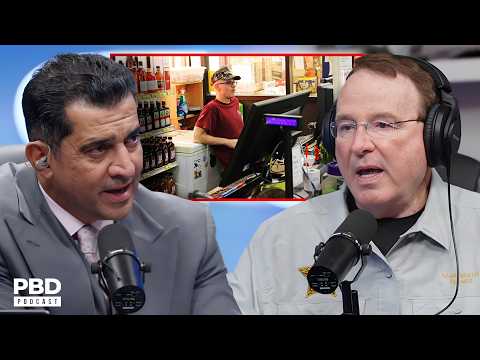
The second story details how Polk County law enforcement combats the sale of alcohol to minors. They conduct undercover operations using young volunteers from their "explorer" or "cadet" programs, who are typically 17 or 18 years old and aspiring to join the police force. These cadets, accompanied by deputies, go into convenience stores with money and attempt to purchase beer. Initially, store clerks who sold alcohol to the underage cadets would receive a "notice to appear" in court, which they often disregarded by paying a fine.
Recognizing that this approach was not deterring the behavior, the law enforcement decided to change their strategy. Now, when a clerk sells alcohol to an undercover cadet, they are arrested, handcuffed, and taken to jail. This stricter enforcement, described as "auditing" the stores, has significantly reduced the incidence of alcohol sales to minors. The transcript mentions that these operations occur weekly or bi-weekly, with teams auditing 10 to 20 stores per night. The success rate of clerks selling to minors has dropped from an initial 30-35% to around 5%. Clerks who are caught typically face fines, though repeat offenses are rare.
Furthermore, to encourage responsible business practices, law enforcement sends congratulatory letters to stores that successfully pass these undercover checks. These letters, signed by the officers, acknowledge the store's commitment to not selling to minors and thank them for contributing to a positive environment for raising children. The video highlights that some of these stores proudly display these letters, recognizing them as an honor. The speaker emphasizes the importance of both holding offenders accountable and acknowledging those who do the right thing.