Vivre 150 ans : profiter du pari des milliardaires - Gabriel Cian
AI Summary
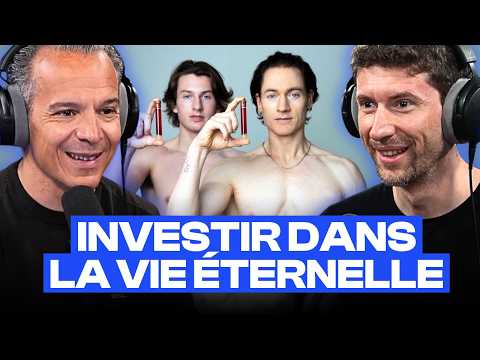
The video discusses investing in the longevity sector, framing it as the next major human revolution after artificial intelligence. The core argument is that while lifespan is of secondary importance, healthy lifespan is paramount. The speaker, Mathieu Stéphanie, introduces Gabriel Sien, an entrepreneur and investor passionate about longevity, who shifted his focus from building successful startups to optimizing his own health and investing in this burgeoning field after experiencing burnout.
Gabriel Sien shares his personal journey, recounting how selling his last startup at 40 led to a profound realization about the toll his intense entrepreneurial lifestyle had taken on his health. Despite outward success, he was pre-diabetic, suffering from chronic stress, and had an inflammation level equivalent to a 72-year-old. This personal crisis prompted him to explore longevity and preventive medicine, leading him to believe it represents a significant investment opportunity.
The conversation then delves into practical aspects of healthspan improvement. Gabriel outlines seven key areas:
1. **Preventive Diagnostics:** Utilizing advanced diagnostics, wearables, and early detection methods (like cancer screenings) to monitor and understand one's body.
2. **Physical Activity:** Emphasizing the importance of exercise for cardiovascular health and muscle mass.
3. **Nutrition:** Highlighting the impact of diet.
4. **Sleep:** Stressing the significance of both quality and quantity of sleep.
5. **Mental Health:** Focusing on fulfilling relationships, life purpose, and managing stress and screen time.
6. **Supplements and Medications:** Considering their role in preventive medicine.
7. **Therapies:** Mentioning treatments like red light therapy and hyperbaric chambers, though noting their lesser impact compared to the first six areas.
Mathieu raises a valid point about the accessibility of these measures, questioning if they are only for the wealthy. Gabriel counters that many foundational practices are cost-effective or even cost-saving. He cites intermittent fasting (skipping breakfast) and using affordable sleep trackers as examples. He also advocates for consuming whole, unprocessed foods, preparing meals at home, and reducing sugar and processed carbohydrates. The key, he stresses, is adopting a holistic view of health and prioritizing sustainable habits over quick fixes.
The discussion transitions to the financial investment aspect. Gabriel argues that the longevity market is poised for exponential growth, akin to AI. He explains that while large corporations like Amazon, Google (Alphabet), and Microsoft are investing, the sector is currently dominated by early-stage, high-risk, high-reward investments in startups. He highlights the lack of publicly traded ETFs specifically focused on longevity, making direct investment in private companies the primary route.
Gabriel describes his initiative, the 2060 Foundation, and a related investment club focused exclusively on longevity startups. He shares examples of companies they've invested in, such as Seclarity, which aims to rejuvenate the cardiovascular system by removing plaque and oxidized cholesterol, and a startup developing lab-grown brain tissue for stroke victims, with future applications for neurodegenerative diseases. These investments are described as early-stage (seed or pre-seed), carrying significant risk but offering potentially massive returns if the technologies prove successful and are acquired by larger pharmaceutical companies.
He elaborates on the investment model, involving Special Purpose Vehicles (SPVs) for individual startup investments. The minimum investment for listeners is set at €2,000 (a reduction from the usual €5,000 membership fee), with a 10% carried interest for the fund and a 1% fee charged by the platform provider (Roundtable). This fee structure, Gabriel argues, aligns his interests with investors, as he benefits from successful exits rather than just deal volume. He emphasizes co-investing with established venture capital firms and experts to mitigate risk and gain access to the best deals.
The conversation touches upon the regulatory challenges in longevity research, noting that aging is not yet classified as a disease, limiting public funding. This, Gabriel argues, makes private capital crucial for advancing research. He also addresses the perception that longevity is solely a concern for aging billionaires, explaining that the need for large patient populations in clinical trials necessitates broader access to treatments eventually.
Gabriel expresses his personal commitment to longevity, stating he doesn't pay himself and reinvests profits into the foundation. He describes the longevity ecosystem as mission-driven, with a shared goal of combating aging and disease, fostering collaboration among investors and researchers. He mentions examples of promising technologies like regenerative medicine, 3D bioprinting of organs, and cellular reprogramming, while cautioning about the prevalence of marketing hype versus scientific reality.
He reiterates that the "ChatGPT moment" for longevity—a significant breakthrough that will trigger widespread adoption and investment—is likely only a few years away. He points to advancements in gene therapy and regenerative medicine as potential catalysts.
In conclusion, Gabriel urges listeners to consider investing in longevity as a forward-looking strategy, likening it to investing in AI. He emphasizes that while it's a long-term, high-risk, high-reward endeavor, the potential for significant returns and, more importantly, contributing to human healthspan, is immense. He encourages listeners to explore investment opportunities through his foundation, 2060.foundation, using the code "MARTINGALE" for potential benefits. The overarching message is that humanity is on the cusp of overcoming aging, and strategic investment now can capitalize on this impending revolution.