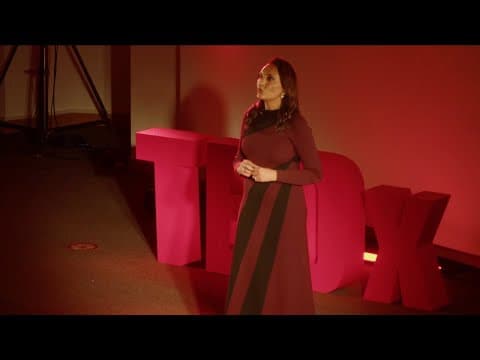
Skin Ageing Is Inevitable But Decline Is Optional | Dr Sarita Sharma | TEDxSurreyUniversity
Audio Summary
AI Summary
Our faces tell stories of life, not just age. We've been taught to fear aging, but it's a privilege, not a problem. After 21 years in skin science, I know aging is inevitable, but decline is optional. Skin is identity; it's the doorway to confidence. When you feel at ease in your skin, everything expands. The future of skin science is about working with biology, not fighting aging. Skin is emotional, memory, and empowerment.
My journey began at 13 with painful cystic acne. The shame and desire to hide made me avoid eye contact and photos. Makeup only worsened it, and common advice was useless. As a teenager with Indian skin, breakouts left lasting marks, making skin a prison until I realized it could be my purpose. This taught me skin isn't vanity; it's how we meet the world.
I became a dentist, loving anatomy and precision. I found people sought not just better smiles, but permission to feel like themselves. My passion was confidence and identity, not just teeth. I left dentistry for skin and aesthetics, realizing people sought recognition in their reflection, not just beauty.
In my late 30s, my own skin became dull, dry, and lined. My children asking why I looked sad, despite feeling joyful, showed me my skin was miscommunicating. Aging isn't superficial; it's hormonal, biological, structural, and psychological. Many patients feel unworthy or frustrated by assumptions about their mood based on their appearance. It's never just the skin; it's what our skin says on our behalf.
Anna, 48, felt she had "faded." By restoring hydration and boosting repair, she felt like herself again—this is "pro-aging," the return of identity. Eene, 53, felt a mismatch between her inner youth and outer appearance. Understanding the biology of aging brought her relief; it wasn't her fault.
Skin, our largest organ, mirrors our internal world. Stress breaks down collagen, poor sleep increases inflammation, and hormonal shifts reduce elasticity. As we age, expressions can become emotionally inaccurate, leading to a "resting face" that looks tired or sad. This inside-versus-outside mismatch is a huge emotional burden. Studies show improved appearance boosts self-esteem, reduces anxiety, and enhances well-being. Confidence is freedom, not cosmetic.
Aging is multi-factorial: skin thins, blood flow reduces, collagen drops. These internal changes manifest as dullness, pigmentation, and sagging. This is inevitable, but decline is where science offers choices. Skincare ingredients act as messengers: peptides strengthen, retinoids renew, antioxidants protect, ceramides restore, and exfoliants remove dead cells. Skincare is chemistry with memory, a daily dialogue with your biology, echoing into your future self.
Caring for skin isn't vain; it's self-respect. We don't shame gym-goers or supplement-takers, so why shame skin care? "Anti-aging" is problematic; we should be "pro-aging"—pro-health, pro-confidence, pro-self-respect. My approach has four pillars: regenerate, don't erase; restore from within; refine subtly; and reclaim joy.
The future of skin science is regeneration—reminding skin to heal itself, not just adding things. This era is about prevention, preservation, regeneration, and empowerment. You are evolving, and your skin is communicating.