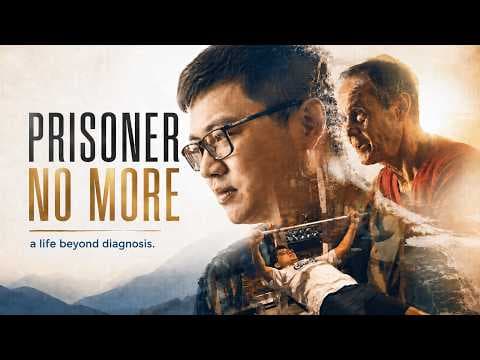
PRISONER NO MORE: The True Story of Tae Jin Park
Audio Summary
AI Summary
Tim Ferris shares a story about the transformative power of belief meeting action, highlighting how seemingly insurmountable challenges for some can become pathways to freedom with the right support. He introduces Tajin, born two months premature in Seoul, Korea. Early signs of developmental delays, such as not crawling at six months and difficulty standing or walking by a year and a half, led to a diagnosis of cerebral palsy. Despite extensive therapies, Tajin showed little improvement. His parents faced a difficult decision when, by age ten, doctors recommended surgery to correct his tiptoe walking, warning that further delay due to his weight might make the surgery impossible. They ultimately opted for the surgery in Hialeah, Germany, which allowed his feet to touch the ground, but he still struggled with balance, easily falling over small obstacles.
The narrative then delves into the evolving understanding of cerebral palsy. It's now defined as a clinical diagnosis involving movement difficulties from a young age, a permanent disorder impacting lifelong mobility and movement control. While previously thought to be solely related to birth-related brain injury, up to 30% of cases may have a genetic component. Regardless of the cause—be it injury, infection, developmental differences, genetics, or environmental factors—the diagnosis of cerebral palsy remains.
Tajin's father, seeking a way to help his son, struggled to find a consistent personal trainer. Years later, he encountered Georgie, a trainer introduced by a friend. The father himself had faced weight issues, reaching over 200 pounds, and had humorously received a bra as a Christmas gift. He had also read about Georgie’s book, "Happy Body," and met him to get a signed copy. Within four to five months, the father lost significant weight, dropping below 160 pounds. He then discussed Georgie's capabilities with a friend, who inquired if Georgie could help his son.
Georgie agreed to meet Tajin, who presented as weak, lethargic, and walking on his toes. During their first meeting, Tajin was non-responsive to questions. Georgie took Tajin to the gym, intending to have him bench press a bar. Tajin was so weak he couldn't lift a 3-pound wooden bar. However, Georgie progressively added weight, and Tajin was able to lift an 8-pound aluminum bar. Recognizing Tajin's potential for rapid progress, Georgie committed to a five-year training plan, assuring the father that they would see significant results. The father immediately enrolled Tajin.
The training began with a focus on heel-to-toe walking, emphasizing slow and controlled movements. Georgie explained that understanding the root cause of cerebral palsy is crucial for tailoring interventions. He stressed the importance of identifying an individual's baseline activity level and then strengthening and building upon it to optimize functional, efficient movement and improve quality of life. He acknowledged the wide spectrum of severity in CP, from minimal symptoms to profound effects, but emphasized that individualized interventions lead to the best outcomes.
Drawing on his experience as an Olympic weightlifting coach, Georgie believed he could achieve significant change with five years of training. He invited Tajin's father to observe, stressing that parents must actively coach their children, shifting their perception from viewing them as "sick" or "handicapped" to individuals with "boulders to move around" in their brains.
Tajin trained twice a week with Georgie. Before training, he was unable to jump and land due to stiffness and awkwardness, often falling. After consistent training, he progressed to jumping higher, even onto an 11-inch box. Georgie systematically increased the weight, adding one to two pounds weekly, allowing Tajin's body to adapt and become stronger and more flexible. Tajin’s progression was described as amazing. He went from being unable to lift 15 pounds to being able to press 170 pounds, surpassing his body weight, a feat few 20-year-olds could achieve. This newfound strength unlocked new possibilities for Tajin.
Around six to seven months into training, Georgie inquired about changes he observed. Tajin, who previously communicated minimally, began to vocalize. He pointed out a car, and through a series of questions about its model, color, and driver, Georgie realized Tajin was making significant cognitive leaps. His father confirmed that Tajin's vocabulary had been limited to "time to go to bed" or "time to eat," and this marked their first real conversation. Tajin expressed gratitude for his progress, improved communication with his parents, and increased confidence.
The narrative then shifts to Tim Ferris's own story. At 15, facing pressure to follow his locksmith father's trade, he struggled in high school, turning to alcohol and experiencing blackouts and suicidal thoughts. At 18, a friend, whose mother had removed his weightlifting equipment, invited Tim to train at his place. Initially hesitant, Tim agreed to a light bench press session followed by a beer. This led to a consistent training regimen. Tim felt a new sense of strength and self emerging within him, describing his friend as an "angel" pulling him out of alcoholism.
Upon turning 18, Tim faced mandatory military service. He opted for a three-year fire department training program instead, finding immense pride and purpose in helping others. This experience reignited his desire for education, and he enrolled in evening high school classes. A soccer player named Edu's father walked with Tim to school daily for a year or two, an act of support that Tim considered life-saving, preventing him from returning to drinking. This highlighted the crucial need for people to help each other overcome significant challenges.
The story returns to Tajin, showing his progress in walking upstairs, an activity that was previously difficult and frightening for him. He now navigates this with ease and confidence. Tajin's ability to communicate and share his experiences indicates a significant awakening. He no longer shuffles or trips, having developed better control and flexibility, enabling him to lift his legs and avoid falling. A pivotal moment occurred when Tajin's father rushed to tie his untied shoelaces, only for Georgie to intervene, stating Tajin was ready to do it himself. Tajin then independently tied his shoes, marking a significant step towards self-sufficiency. Georgie challenged the parents' over-involvement, urging them to allow Tajin to care for himself. This led to Tajin becoming more independent. Georgie emphasized that embracing difficult challenges, rather than easy ones, leads to progress. He defines "hard" in weightlifting as pushing athletes beyond their known limits, a principle applicable to all aspects of life, including spiritual, mental, and physical growth.
Cerebral palsy, Georgie explains, is a condition that doesn't worsen over time; rather, societal integration and adaptation become more challenging. People with CP often walk on their toes, speak slowly, and appear awkward, leading others to pity rather than empower them. Georgie advocates for coaching individuals with CP like athletes, enabling them to read, study, and achieve independence, as Tajin has. Tajin, now 30, is exploring his identity and has been accepted into a college program, not a special one, but alongside "normal" students, as Georgie asserts his normalcy and capability. Tajin expresses his dream of studying with typical peers and his progress in piano playing.
His father recounts the college acceptance, marveling at the journey and Tajin's inner drive. He compares his feeling to the pride of driving a fire engine to his first fire, a sense of purpose and helping others. Tajin reports improved confidence and clearer expression of thoughts. The core message is that individuals with cerebral palsy are not fundamentally different; they can be coached, trained, and achieve remarkable things.
Jersey's partner for 40 years describes his genius in seeing suffering and his inability to be unemotional when witnessing it, especially when people are “stuck in their mind or they imprison themselves.” With Tajin now in