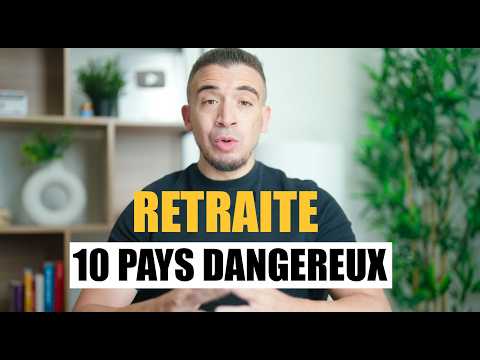
Les 10 pays les plus DANGEREUX pour prendre sa retraite ( Thaïlande ?)
AI Summary
This video discusses the 10 most dangerous countries for retirement, based on the Global Peace Index (GPI). The GPI, published annually by the Institute for Economics and Peace, assesses countries across 23 indicators divided into three main categories: societal safety and security (including homicide rates, perceived criminality, political instability, and terrorism), the extent of ongoing domestic and international conflicts, and the level of militarization (military expenditure, armed forces, incarceration rates, and police numbers). The video aims to inform viewers who prioritize safety when considering international retirement destinations.
Starting the countdown at number 10 is **Panama**. Despite its reputation as a retirement paradise with a favorable pensionado program, the US dollar as its currency, and attractions like its canal, Panama's safety has declined. Crime, particularly in Panama City and the Colon province, has led to a significant drop in its GPI ranking. Homicide rates and police presence are key areas of concern. The security situation in Panama can fluctuate, with cycles of improvement followed by degradation, making it dependent on the specific location and current circumstances. While many expatriates are happy there, vigilance is advised, including avoiding excessive alcohol, informal taxis, and late-night solo travel. The presenter suggests that localized crime is a factor, and normal precautions can mitigate risks, with areas like Boquete and Coronado perceived as safer than Panama City.
At number 9 is **Thailand**. Known for its beaches, street food, and vibrant atmosphere, Thailand is a popular retirement spot due to its low cost of living, estimated at around €1500 per month. However, the country's history includes political instability and southern insurrections. While fears about the local justice system might be amplified by media, the primary risks are often related to road accidents, especially in tuk-tuks and on motorcycles, as well as tourist scams. Past mysterious deaths of foreigners in places like Pattaya and Koh Tao are also mentioned. A retiree's perspective highlights that Thailand reflects one's own life choices; those seeking trouble will find it, while those leading normal lives are unlikely to encounter serious issues. The country is seen as a "mirror of oneself," amplifying existing traits. Despite these concerns, expatriates generally feel safe, and Thailand has improved its GPI ranking significantly. The video touches upon various visa options, including privileged visas for retirees and investors, and mentions cities like Chiang Mai and provinces like Phuket as desirable locations. Respect for Thai culture and adherence to local laws are emphasized as crucial for a successful long-term expatriation.
In 8th position are the **Philippines**. This tropical archipelago, with English widely spoken, offers a special retirement visa (SRRV). However, the Philippines ranks low on the GPI due to vulnerability to typhoons, earthquakes, and occasional terrorism. Regions like Mindanao are specifically advised against due to kidnapping risks. Healthcare infrastructure can be lacking outside major cities, and safety varies greatly by island. In Manila, pickpocketing and snatch-theft are common, especially in public transport. The presenter shares a personal experience of seeing armed security guards with handguns and even submachine guns in seemingly ordinary establishments, which created a sense of unease. The sale of tasers by street vendors was also noted. While many expatriates report positive experiences, the feeling is that one must remain vigilant, particularly at night. Avoiding risky areas is presented as key to a positive experience.
The 7th most dangerous country is **Nicaragua**. Known for its volcanoes and colonial cities, Nicaragua is one of the cheapest countries in the Americas but also one of the most politically unstable, ranking 111th on the GPI. Security has deteriorated since 2008, with reports of attempted nighttime intrusions and violent demonstrations. Despite these challenges, modern medical care is available in Managua, and the cost of living is below $1000 per month. It's described as a land of contrasts with beautiful beaches and friendly people, but an unpredictable government. Granada and San Juan del Sur are mentioned as potential locations, with a recommendation to always have a backup plan.
At number 6 are the **United States**. Ranked 128th out of 163 countries, the US faces high rates of gun violence and the largest prison population globally. Mass shootings, exorbitant healthcare costs, and political division contribute to a less serene environment for retirement. Safety is highly dependent on the specific state and city. The US is frequently cited in the GPI report for political terror and homicide. Many people reportedly leave the US to escape this social climate. While some areas like Florida remain popular, the rising cost of living and increasing insecurity are prompting more retirees to look elsewhere.
In 5th place is **Ecuador**. Offering stunning landscapes and a low cost of living under €1000 per month, Ecuador has recently been affected by a surge in gang-related violence and drug trafficking. While historic cities like Cuenca remain popular, overall security has declined, with daylight shootings becoming more common in coastal areas like Guayaquil. However, pockets of tranquility still exist in places like Loja and Vilcabamba. The country is described as magnificent but requiring extreme caution.
At number 4 is **Brazil**. Famous for its samba and beaches, Brazil is also one of the most unequal countries. While attracted by its culture, retirees are often deterred by urban crime and favelas. Ranked 130th on the GPI, Brazil has concerning homicide rates, requiring constant alertness in large cities. Nevertheless, safe havens like Morro de São Paulo exist. The video advises targeting protected areas and investigating visa options for those over 60.
Entering the top 3, at number 3 is **Mexico**. A favorite among retirees, Mexico, ranked 135th on the GPI, struggles with cartel-related violence. Even traditionally peaceful areas like Puerto Vallarta have experienced roadblocks and shootouts. Millions of expatriates live there happily, but they remain aware of the local reality. It's presented as a beautiful and affordable country, provided thorough research into the chosen neighborhood is conducted.
The 2nd most dangerous country is **Colombia**. With a GPI ranking of 140, Colombia's reputation is improving but not fast enough. Risks of theft and drug-related crimes remain high in cities like Medellín and Cartagena. Despite being a sublime and affordable destination (living costs under €1000 per month), it requires significant street smarts and constant vigilance. The warmth of Colombians is noted, but vigilance must be equally strong. The presenter emphasizes that while South America offers enjoyable moments, a single negative experience can ruin an expatriation or vacation. Tourists may be more exposed due to unfamiliarity with safe areas compared to long-term expatriates who can better anticipate risks. The presenter contrasts this with Southeast Asia, where a lower mental burden and fewer worries are experienced.
Finally, at number 1, is **Turkey**, which the presenter admits to being extremely surprised by. Ranked 146th, Turkey is considered the riskiest on this list due to political instability, potential terrorism, and internal conflict. Despite this concerning peace score, the low cost of living and attractive landscapes like Anatolia and Bodrum continue to draw people. Turkey offers citizenship by investment, including through real estate, providing access to a passport and Turkish identity. However, living there means accepting pervasive security measures, such as metal detectors in shopping malls. The presenter clarifies that this list is based on the GPI's specific criteria, not personal perception, as they personally find Turkey very safe. The current geopolitical context in the Middle East might be influencing Turkey's ranking. The video concludes by asking viewers if they would consider living in any of these countries for a better quality of life and promises a future video on the safest countries for retirement. The presenter shares their own 10-year experience living in Thailand and offers assistance for those looking to relocate there.