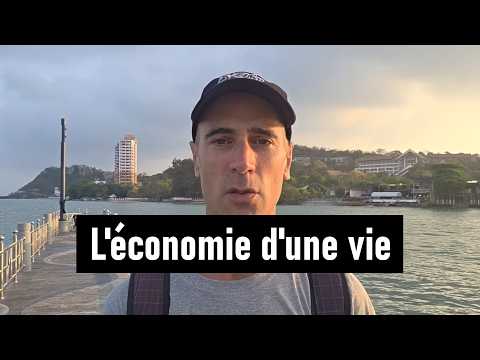
Comment économiser beaucoup d'argent pour devenir riche ?
Audio Summary
AI Summary
The speaker, Marc Bluersky, an expert in gratitude, discusses how he became rich by focusing on not spending money, describing himself as a "rat" and "pigre" (stingy) for the past 27-30 years of his life. He argues that in today's economy, where a car costs €35,000 and a house between €300,000 and €500,000, being a millionaire doesn't automatically equate to being rich. He estimates that not owning a car can save between €500 and €1,500 per month.
The core of his wealth accumulation, as he details, comes from extreme frugality across various aspects of life over approximately 30 years, with an assumed investment growth of 5% annually, leading to a multiplication of savings by three.
He breaks down his savings in several categories:
* **Haircuts:** He has maintained the same hairstyle since he was 18, estimating a saving of around €20 per month, or €200 per year. Over 30 years, this amounts to €6,000 in savings.
* **Vehicles:** He has never owned a car, scooter, or any motorized vehicle. Estimating a monthly car cost of €1,000, he calculates a saving of €12,000 per year, totaling €300,000 over 30 years.
* **Alcohol:** He has never consumed alcohol, not even a single beer or wine. He estimates a monthly budget for alcohol and going out with friends could easily be €300. Over 30 years, this amounts to €90,000 in savings.
* **Cigarettes and Substances:** He has not smoked or used any substances. He notes that some people spend significantly on cigarettes, estimating around €10 per pack and potentially 4 packs a week, which would be €40 per week or €50 per month. Over 30 years, this would be €15,000.
* **Luxury Hotels:** He avoids luxury hotels, opting for much cheaper accommodations. While someone of his potential standing might spend €200-€300 per night, he aims for around €20 per night, even when traveling. He conservatively estimates a saving of €50,000 over 30 years in this area, acknowledging that many people spend much more on vacations.
* **Children and Alimony:** He has not had children and therefore has not incurred costs for raising them, which he estimates to be between €100,000 and €200,000 per child over their lifetime. He also hasn't paid alimony. He bundles these potential expenses into a significant saving of €500,000.
* **Legal Issues:** He has avoided costly lawsuits, fraud, or legal fees. He estimates that a single lawsuit could cost €50,000 and considers it a miracle he has avoided them given his activities, thus saving another €50,000.
* **Gifts and Celebrations:** He has not celebrated holidays like Christmas, Valentine's Day, or birthdays with gift-giving, estimating a saving of at least €50,000.
* **Paying Friends:** He has not paid his friends for services or favors, estimating a saving of €50,000 to €100,000.
Summing these savings, he arrives at a total of approximately €1.1 million to €1.2 million in direct savings. When compounded at 5% over 30 years using a Dollar-Cost Averaging (DCA) strategy, he estimates this amount could grow to between €2 million and €3 million.
Bluersky concludes that being a "rat" and economically frugal has provided him with freedom. He believes that living simply and being frugal is more important than earning a lot of money if one has to prioritize. He experiences a sense of abundance despite living a simple life, which others might perceive as misery. He emphasizes that this frugality has not led to frustration but rather a feeling of having enough.