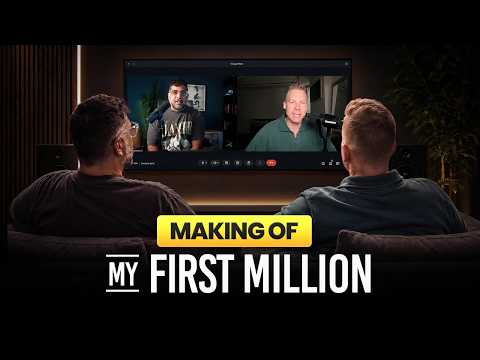
We hit record on a private strategy session
AI Summary
The podcast hosts, Sean and Sam, along with new team member Cassie, are conducting a strategy meeting to discuss the future of their podcast, "My First Million" (MFM). They’ve decided to make this a public session, sharing their thought process and decisions in real-time. The core of their discussion revolves around identifying what’s working, what’s not, and what new initiatives could propel the podcast forward.
One of the initial insights shared by Sam is the "virtue of selfishness." He argues that the podcast should focus on what the hosts are genuinely curious about and enjoy, rather than trying to cater to an external audience with inauthentic content. This approach, he believes, will lead to more engaging and enjoyable episodes for both the hosts and the listeners. Sean agrees, recounting his own experiences of feeling drained after episodes focused on clickbait headlines and data optimization, contrasting it with the energy he gains from episodes driven by genuine curiosity and personal anecdotes.
The podcast, now six years old, has achieved significant success with over 822 episodes and 115 million downloads. Its unique format, built around the phrase "Dude, have you seen this?", involves Sean and Sam surprising each other with interesting information. Despite their success, they admit to being comically inept at managing their social media presence, with passwords lost for years and entire platforms unknown to them.
Sean identifies a key area for improvement: the lack of effective "sampling" of their content. He uses the analogy of other podcasts that thrive on short, shareable clips distributed across social media platforms, allowing potential listeners to get a taste of the show's style and personality. MFM, he argues, is not doing a good job of this, missing opportunities to attract new listeners who might discover them through these clips on platforms like X, Instagram, and TikTok. He proposes a focused initiative to create and distribute high-quality clips that capture the essence of MFM.
This leads to the idea of a "clipper army." Drawing inspiration from a past successful bounty program that generated 20 million impressions in a month, they decide to incentivize individuals to create and share clips of their episodes. Cassie is tasked with leading this initiative for the next 90 days, with a directive to be "stupidly aggressive" and spend more than initially anticipated to achieve scale and gather clear data on its effectiveness. The goal is to replicate a successful playbook used by many other content creators.
Beyond clips, the team discusses other potential initiatives. Events are brought up, with a distinction made between large-scale live tours and more intimate gatherings. Sean expresses a desire for events that cater to the "MFM 1%," meaning curated groups of the most interesting and like-minded listeners, fostering connections and shared experiences. He’s less interested in ego-driven performances and more in creating a valuable networking opportunity.
Sean also proposes a "Tiny Desk" style event, where they would engage with a small group of entrepreneurs, offering on-the-spot business advice. This format, he argues, is more intimate and allows for the creation of valuable, shareable content, similar to how other creators chop up Q&A sessions into numerous clips. This would be an experience-driven event, with the primary output being the content generated from it.
On the flip side, they identify activities they want to do less of. Solo episodes are a clear dislike for Sean, who finds them less engaging and more like work compared to episodes recorded together. Remote interviews are also seen as less dynamic than in-person recordings, where more genuine interaction and connection can occur.
The idea of a brand newsletter is explored. While acknowledging the potential for it to be a liability if not executed well (due to time constraints and the risk of inaccurate or off-brand content), they agree that a newsletter offering concise takeaways from episodes, upcoming guest highlights, and behind-the-scenes updates could be valuable. Sean suggests leveraging his head of content, Diego, to manage the writing, ensuring a consistent style and quality. The newsletter would ideally become a primary destination for directing listeners, offering consistent value.
Another initiative discussed is decentralized meetups, inspired by platforms that facilitate community gatherings. While acknowledging the potential for listeners to form meaningful connections and friendships, they also recognize the liability of attributing the experience to the podcast, even if the hosts are not directly involved. Despite this, the idea of "the other 99%" – a more accessible community-driven initiative – is met with enthusiasm.
Guest selection is another critical point. Sean suggests aiming higher, both by bringing on super-mega popular figures to discuss new ideas and by featuring unknown individuals who offer profound insights. He advocates for a "barbell" approach, focusing on the extreme ends of popularity and insight, rather than the middle ground. They also discuss a desire to interview older individuals (70+) for their accumulated wisdom and experience.
The podcast also aims to explore new content areas that align with the hosts' personal growth and interests, such as raising children, finding passion, and happiness. They reference figures like Arthur Brooks as examples of individuals who could offer valuable perspectives on these topics. The goal is to move beyond purely business-focused content and delve into the broader human condition.
A format inspired by book reviews is proposed, where either hosts read the same book and break it down, or each brings a book to discuss its key takeaways. This would help listeners make informed decisions about what to read and provide a more engaging way to consume information than traditional book reviews. Sam shares his current reading list, including a book on a Brazilian businessman who runs his company democratically and Barack Obama's biography.
Ritualistic questions for guests are also considered. Drawing inspiration from podcasts like Patrick O'Shaughnessy's, they want to implement a recurring question that elicits heartfelt stories, such as "What's the kindest thing anyone has ever done to you?" This would add a personal touch and foster deeper connections with guests.
A "Make It" style episode, inspired by CNBC's YouTube series, is suggested. This format would focus on the backstory of recognizable everyday businesses, delving into their origins, growth, and unique strategies. The hosts would research a specific business and present its story, similar to how they might cover a product like the Stanley mug or Yeezy.
Finally, the team discusses an approach to interviewing guests with "checkered pasts." While not wanting to become a confrontational show, they acknowledge a responsibility to address problematic behavior when it exists. The goal is to minimize these instances by being more aware of a guest's history beforehand and to ensure that such discussions are "worth it" and add value to the episode. Ari, as the team protector, is tasked with helping to vet guests and ensure these sensitive topics are handled appropriately.
In summary, the key takeaways for the next phase of MFM are:
1. **Clipper Army:** Cassie will lead an aggressive initiative to create and distribute short-form clips across social media platforms.
2. **Guest Strategy:** Aim for both highly popular guests and unknown insightful individuals, and explore new themes like parenting, happiness, and the human condition.
3. **Guest Preparation:** Incorporate screen shares, desk tours, and ritualistic closing questions to uncover unique insights.
4. **Content Expansion:** Explore newsletters, book discussions, and "Make It" style business deep dives.
5. **Event Strategy:** Consider curated "1% events" and intimate "Tiny Desk" style workshops.
6. **Reduce Solo Episodes:** Prioritize in-person recordings and duo episodes.
7. **Newsletter Development:** Focus on delivering valuable takeaways and episode summaries.
8. **Addressing Sensitive Topics:** Be more proactive in understanding guest histories and addressing any problematic pasts when deemed worthwhile.