“You Have To Pay Your Dues” - Amazon CEO CALLS OUT Gen Z Work Ethic
Audio Summary
AI Summary
The discussion begins with a critique of Gen Z's perceived work ethic, sparked by comments from Amazon CEO Andy Jassy. Jassy advised younger generations that success requires "paying their dues," starting at the bottom, and mastering details to become reliable. He suggested that expecting a "dream job" at a young age is unrealistic and likely a matter of luck, emphasizing the importance of foundational skills gained through less glamorous tasks.
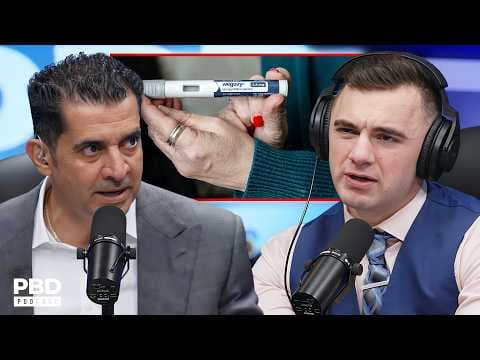
This advice is juxtaposed with a New York Post article highlighting a survey where a significant portion of Gen Z (47% of those aged 14-29) indicated that coverage for weight loss drugs like Ozempic or Wegovy would influence their decision between job offers. The article points out that these medications can cost upwards of $1,000 to $1,200 per month without insurance. This revelation, occurring on the same day Amazon announced a program to facilitate access to GLP-1 drugs, drew sharp reactions.
One perspective suggests that the prevalence of free snacks and sugary treats in workplaces might have contributed to the need for weight loss solutions, creating a cycle where companies offer such benefits in response to perceived needs. This is framed as a "microwave environment" where individuals, including Gen Z, desire quick fixes for both career aspirations and personal goals like weight loss, rather than engaging in sustained effort like dietary changes or consistent exercise. The high cost of these medications further fuels the idea that they are being viewed as an employee benefit, influencing job choices.
Another viewpoint expands this to a broader "macro story" about how a significant segment of the population approaches career and job selection. Instead of focusing on personal growth, climbing the ladder, or productivity, the emphasis is shifting towards "bells and whistles" like drug coverage. This is seen by some as a "deadweight drag on future productivity growth," indicating a mentality that prioritizes immediate gratification and external benefits over long-term career development.
A more controversial take emerges regarding trust and discipline. One speaker expresses difficulty trusting individuals who are overweight, arguing that if they lack the discipline to manage their physical health, they may also lack the discipline for hard work and reliability in a professional setting. This perspective links the discipline required for physical fitness to the discipline needed for career advancement, suggesting that tackling difficult personal challenges, like weight loss through healthy habits, should translate to tackling difficult professional tasks. The speaker explicitly states they don't question people's character but their ability to undertake difficult endeavors if they avoid the "difficult thing of losing the fat." This is met with a strong counterpoint emphasizing empathy and avoiding "fat shaming," while still acknowledging the importance of physical activity and routine.
The conversation then veers into a personal anecdote about a significant knee injury requiring multiple surgeries. The speaker details the various surgical options, the consultations with different doctors, and the detailed physical therapy involved. This experience is used to illustrate the concept of undergoing difficult processes and the importance of physical well-being.
Finally, the discussion shifts to promoting sponsorship opportunities for the "Vault Conference." The speaker highlights the conference's growth from a small gathering to a major event expecting over 12,000 attendees, including entrepreneurs, CEOs, and business leaders. Sponsorship packages are described as offering extensive brand visibility, direct engagement with qualified leads, and opportunities for networking and business scaling. Previous sponsors like PayPal and Tony Robbins are mentioned to underscore the caliber of businesses involved. The audience is encouraged to explore these opportunities to connect with a large, engaged business community. The segment concludes with a call to action for interested businesses to submit applications and for individuals to share the pitch deck with their leadership teams.