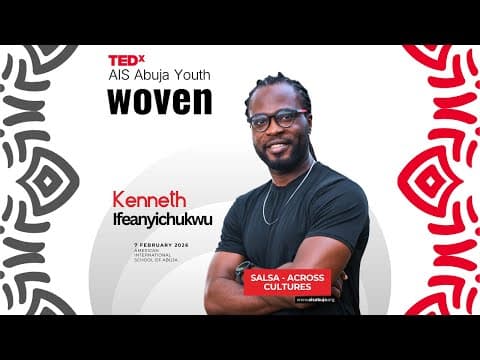
Salsa Across Cultures | Kenneth Ifeanyichukwu | TEDxAIS Abuja Youth
Audio Summary
AI Summary
Salsa dance is a lively and dynamic style combining rhythmic, passionate, and energetic movements, heavily influenced by Latin American and Yoruba cultures. It features expressive body movements, intricate footwork, and energetic partner work, with its Afro element deeply rooted in the Yoruba orishas, traditional deities whose movements and ideas form the foundation of salsa. Examples of these orishas, such as Illegua (guardian of crossroads), Oshoshi (divine hunter), and Obatala (father of wisdom), demonstrate specific expressions with vibrant energy.
During the slave era, enslaved Yoruba people were taken from West Africa to Cuba, resulting in centuries of African and Spanish cultures mixing. This cultural fusion gave rise to salsa dancing. Elements of Yoruba dance, rhythm, percussion, and call-and-response blended with Spanish guitar and language to create a new style of self-expression. Salsa originated in the 1900s in Cuba, combining Cuban Son and Afro-Cuban Rumba. The music is lively, featuring Latin rhythms and instruments like conga, clave, bongo, and maracas.
In the 1700s, salsa music and dancing spread globally, becoming a widespread social dance in Latin America, where it mixed with jazz and rock. Later, Latino immigration to the United States, particularly New York City and Los Angeles, further diversified the dance. Major salsa styles include Los Angeles style (salsa on one), New York style (salsa on two), and Afro Rumba style, encompassing various Rumba forms and Timba. Salsa dancing is a vibrant expression of culture, music, and movement, offering a fun way to connect with oneself and others while participating in history and keeping culture alive.