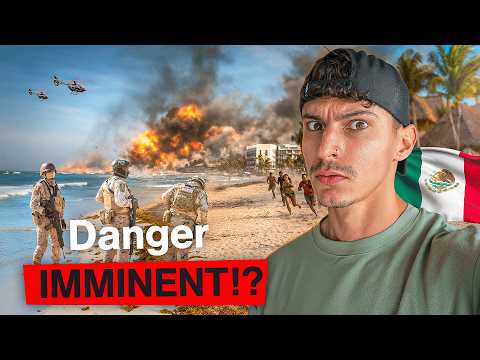
Mexique : tensions, peur, touristes… Mon avis sur place
AI Summary
In recent days, Mexico has dominated the headlines due to rising tensions, a situation that has naturally sparked concern among international travelers and potential tourists. The narrator of this video, currently on the ground in Mexico, provides a firsthand account of the situation to clarify whether the fear portrayed in the media matches the reality of being there. Having just arrived in the country, he aims to share his personal feelings, observations, and conversations with locals and expatriates to give a clearer picture for those planning a trip from places like France, Belgium, Switzerland, or Quebec.
The speaker begins with a disclaimer, noting that he is not a security expert but a frequent traveler sharing his lived experience. His journey to Mexico began in Buenos Aires, Argentina. Interestingly, he admits to not following the news closely, only learning about the "chaos" in Mexico while boarding his flight to Cancun. This led to a moment of significant anxiety while sitting on the plane. When the takeoff was delayed by twenty minutes, he feared the airport might be closing or that he would be stranded. However, the delay was simply for a late passenger, and the flight proceeded without incident.
Upon landing in Cancun, the narrator looked for signs of change or heightened tension. To his surprise, the experience was entirely standard. Immigration involved the usual questions and wait times, and his passport was stamped without issue. During the taxi ride to Playa del Carmen, he observed nothing unusual—no increased military presence or palpable stress. The atmosphere remained "relaxed," or as the locals say, "tranquilo."
The video shifts to a direct look at daily life in Playa del Carmen. Walking through the streets at 8:00 AM, the speaker describes a peaceful scene: people jogging, families walking with strollers, and others taking their dogs for a stroll. He points out that while the streets are quiet in the early morning, they were packed with people by noon the previous day. To illustrate the disconnect between media reports and reality, he shows people playing volleyball on the beach, jokingly questioning if this looks like a "country at war." He emphasizes that all businesses, restaurants, and shops remain open, and there are no curfews or restrictive measures in place.
A crucial point made in the summary is the geographical context of the unrest. The speaker explains that recent events in Mexico are concentrated in very specific states. He uses a map to show that the regions of Quintana Roo (home to Cancun, Playa del Carmen, and Tulum), the Yucatan (Merida and Valladolid), and Campeche remain largely unaffected. He compares the situation to someone refusing to visit Miami because Detroit has a high crime rate; just because one area faces challenges doesn't mean the entire country is unsafe for tourists. While he mentions hearing an army helicopter near his hotel at night—a detail he admits is unusual—he notes that the presence of police and military in tourist zones is a long-standing norm in Mexico and can even feel reassuring to visitors.
The narrator also issues a stern warning about social media and the "anxiety-inducing" nature of online algorithms. He explains that once a user watches one video about crime in Mexico, the algorithm will continue to feed them similar content, creating a distorted reality. He points out that much of the footage circulating online is misleading, such as a video of a fire in Guadalajara being falsely labeled as taking place in Tulum. He urges travelers to verify their sources and recognize that many people post sensationalist content simply to generate "buzz."
To ensure a safe and stress-free trip, the speaker offers several practical tips. First, he advises staying within established tourist zones where safety measures are highest. Second, he suggests that anyone wishing to explore more remote areas should do so as part of an organized group with local guides who understand the terrain and safety protocols. Third, he emphasizes the importance of "common sense," such as following local instructions and respecting warning signs. If a sign says an area is dangerous, travelers should simply turn around.
Finally, the speaker recommends having a "Plan B" regarding logistics. He suggests booking accommodations through platforms like Booking or Airbnb that offer flexible cancellation policies. This allows travelers to change their minds at the last minute without financial loss, which can significantly reduce pre-trip stress. He also recommends opting for flexible flight tickets or cancellation insurance.
In conclusion, the narrator reaffirms his love for Mexico, describing it as a magnificent country filled with Maya ruins, cenotes, and some of the most beautiful beaches in the world. He believes it would be a shame for travelers to miss out on these experiences due to "bad news" happening in regions far from their intended destinations. For now, in the popular tourist hubs of the Riviera Maya, life continues to be "sweet" and under control.