What's In Those Gas Station Drugs?
Audio Summary
AI Summary
Gas stations offer convenience for a quick snack or drink, but they also carry products known as “gas station drugs.” These substances, often marketed with appealing names like Neptune’s Fix or X-rated Honey, can contain potent active ingredients that mimic the effects of regulated drugs. Early versions included "spice" and "bath salts," which gained notoriety for their documented dangers and are now regulated. However, new unregulated substances continue to appear.
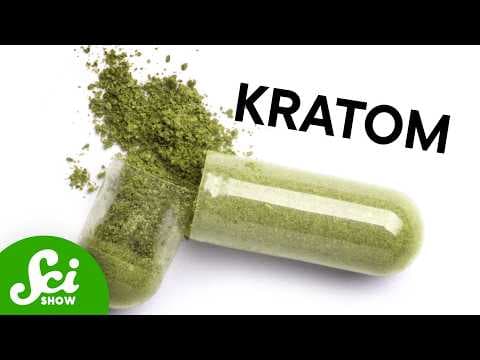
One such product is Kratom, derived from the leaves of a Southeast Asian tree. Historically used for centuries in that region for energy, social gatherings, and medicinal or religious purposes, Kratom has seen a boom in popularity in the United States, with over 1.7 million reported users in 2021. It can be smoked, steeped, swallowed in capsules, or consumed as a liquid extract. Kratom's effects vary with dosage: lower doses act as a stimulant, while higher doses induce a sedative, pain-relieving effect similar to opioids. This is due to compounds in its leaves that bind to mu-opioid receptors, similar to morphine or heroin, though Kratom's compounds bind less effectively, resulting in weaker effects. Some individuals use Kratom as an alternative for opioid withdrawal. While it appears to have a lower mortality risk compared to heroin or morphine, it is not without danger. Side effects range from nausea and dizziness to severe complications like liver toxicity, slowed breathing, and seizures. Although deaths have been reported, many involved other substances, making it challenging to isolate Kratom's exact contribution. Its compounds also interact with serotonin and dopamine receptors, explaining its varied effects, which can be stimulating, sedating, euphoric, or focusing. Despite potential medical applications being researched, Kratom is illegal in at least 33 countries and regulated in 11 others, yet it remains widely available in U.S. gas stations.
Another substance, tianeptine, is colloquially known as “gas station heroin.” Originally developed in Europe as an antidepressant and still prescribed there, tianeptine chemically resembles tricyclic antidepressants. Unlike most tricyclics that target serotonin and noradrenaline, tianeptine acts on glutamate to reduce depressive symptoms and, to a lesser extent, activates mu-opioid receptors. While therapeutic doses can treat depression, unregulated access leads some users to take up to 120 times the recommended dose for opioid-like effects. This carries opioid-like risks such as dependence, tolerance, withdrawal, and overdose. Tianeptine's short half-life can cause rapid and intense withdrawal symptoms. It is sometimes marketed as a way to ease opioid withdrawal, with some rodent studies suggesting it's less likely than heroin to cause dependence. However, case reports offer a less positive outlook. Tianeptine has never been approved for medical use in the U.S. and exists in a regulatory grey area, being federally unregulated but illegal in 13 states.
Not all gas station drugs mimic opioids. Phenibut, for instance, acts on GABA receptors, an inhibitory neurotransmitter that slows brain and body activity. Developed in the Soviet Union to help cosmonauts manage stress, phenibut has been used for anxiety, alcohol withdrawal, PTSD, and restless leg syndrome. By binding to GABA receptors, it can reduce anxiety and induce euphoria, but can also lead to sedation, agitation, combativeness, delirium, and psychosis. Withdrawal symptoms are similar to benzodiazepines, including agitation, tremors, heart palpitations, insomnia, and increased anxiety. Phenibut requires a prescription in Russia, and the FDA is targeting companies selling it as a dietary supplement in the U.S. Poison control centers receive hundreds of calls annually related to phenibut.
Synthetic THC, a familiar friend with a twist, is another gas station drug. Legally, hemp is defined as cannabis with 0.3% THC or less by weight, making it legal to grow and sell in the U.S., unlike marijuana. Hemp-derived CBD can be chemically converted into delta-8 and delta-10 THC, which are chemical cousins to delta-9 THC (the primary psychoactive compound in marijuana). This conversion places them in a legal grey area, as they are not technically illegal delta-9. People use synthetic THCs for similar reasons as marijuana: to get high, reduce stress, increase appetite, or manage nausea, pain, or inflammation. These synthetic versions bind to cannabinoid receptors in the brain, affecting memory and emotional centers, potentially causing impaired short-term memory, panic, and paranoia. While generally described as weaker than delta-9, they can cause similar side effects such as changes in heart rate, low blood pressure, lethargy, and impaired coordination. Concerns also exist about accidental ingestion by children due to their appealing forms like gummies. The "kitchen chemistry" involved in converting CBD to synthetic THC means products may contain unknown contaminants due to a lack of regulation. Global internet searches for delta-8 THC surged dramatically in 2020 and 2021, indicating growing curiosity.
Finally, honey packets, sometimes sold as X-Rated Honey for Men, contain tadalafil, the active ingredient in Cialis, an erectile dysfunction drug. Tadalafil inhibits PDE5, an enzyme that breaks down a molecule crucial for dilating blood vessels in the penis, thus increasing blood flow. It also affects blood vessels in the lungs, prostate, and bladder, making it useful for conditions like pulmonary arterial hypertension. However, its broad effects on blood vessels can cause side effects such as headaches, indigestion, back pain, hearing loss, and vision problems like retinal swelling. A significant danger is its interaction with other medications, particularly nitrates used for heart conditions, which can cause life-threatening drops in blood pressure. Tadalafil can also lead to prolonged erections, potentially causing permanent tissue damage. Like other substances discussed, tadalafil itself isn't inherently bad, but its unregulated and casual availability at gas stations, without dosage guidance or quality control, poses serious health risks. These products contain real pharmacologically active ingredients that would typically require a prescription and medical supervision.