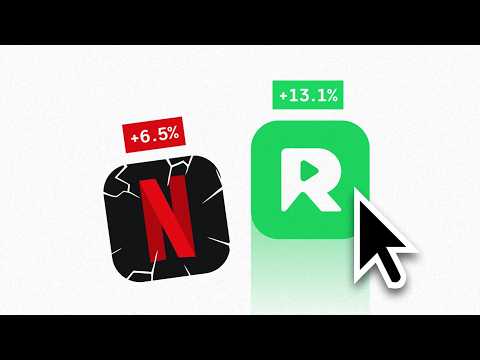
How a Chinese Unicorn App “Out-Addicts” Netflix
AI Summary
Mobile entertainment has reached a critical juncture with an app, Realshort, captivating users longer than major streaming services. This success stems from a unique product design, inspired by Candy Crush, and a rapid content production model. Realshort isn't just a streaming app; it's akin to a "Candy Crush with a plot," incorporating virtual currency, ad-gated episodes, and cliffhanger paywalls—elements borrowed from mobile gaming. These patterns are transferable to any product fostering emotional user investment.
The first key design pattern is the "graduated gate," a sophisticated approach to the free-to-paid transition. Instead of a sudden paywall, Realshort implements a three-stage process. Initially, the first few episodes are entirely free, requiring no signup, allowing users to experience the value proposition immediately. The second stage introduces a 30-second ad to unlock subsequent episodes, deliberately creating a slightly uncomfortable free experience that makes paying to skip ads feel like an upgrade. Finally, from episode nine onwards, users encounter coin paywalls, strategically placed at emotional peak moments like plot twists. By this point, users are conditioned to view payment as a relief from the previous friction. This graduated approach normalizes escalating commitment, starting with attention, then effort, and finally money.
The second pattern, the "anti-calculator," is a psychologically aggressive tactic designed to obscure actual spending. Realshort employs variable episode pricing, awkward coin bundle ratios, and a lack of clear spending dashboards. This prevents users from easily calculating their total expenditure. The short format of episodes and the use of small, frequent microtransactions further diminish the perceived cost of each individual purchase, leading to significant overall spending without users realizing it. The underlying principle is currency abstraction, making usage-based pricing feel less impactful than direct dollar amounts. While this can be used aggressively, an ethical alternative involves transparent tracking of user spending.
The third pattern is the "zero decision player." Unlike Netflix, which presents multiple decision points upon opening, Realshort’s player interface is stripped down. Content plays automatically upon opening the app, with swiping up as the primary navigation for the next episode. There are no progress bars for scrubbing, no "are you still watching" prompts, and no device rotation consideration. This elimination of unnecessary UI elements creates momentum by minimizing choices. By mapping and removing decision points that don’t add value, products can reduce user exit ramps and increase engagement.