Khan Blood Bank | Khan Sir Hospital | Khan Sir New Video
Audio Summary
AI Summary
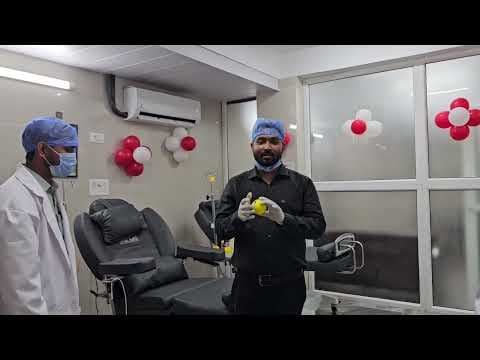
On April 14th, the birth anniversary of Bhimrao Ambedkar Saheb, a new blood bank was inaugurated, with a tour provided to showcase its various facilities. The tour began at the issue counter, where blood is dispensed to those in need. For individuals coming to donate blood, the process starts in the medical examination and registration room. Here, donors are registered, their blood pressure is measured, and a medical examination is conducted to ensure their eligibility to donate, checking factors like BPC and hemoglobin levels and confirming the absence of any diseases. Only after passing these checks are they allowed to proceed.
The next stop is the blood donation room, where actual blood donation takes place. The first blood donation at the new bank was made by one of the founders to mark the inauguration on Ambedkar Saheb's birth anniversary, symbolizing a commander leading by example in a battle. After donating blood, donors can proceed to a refreshment area, where they are offered juice, sweet items, and fruits to regain energy.
Adjacent to the refreshment area is the counseling room. This room serves two main purposes: to inform donors if any diseases are detected in their blood and to counsel and encourage individuals who may be hesitant about donating. The office room is next, followed by the apheresis room. The apheresis room is specifically designed for platelet donation, particularly crucial for patients with conditions like dengue where platelet counts drop significantly. Instead of whole blood, only platelets are extracted from healthy donors using an apheresis machine, with the remaining blood returned to the donor. This method is considered better for the donor as it involves extracting only a small component compared to whole blood.
The tour then moved to the internal, separate sections of the blood bank. The serology department is where blood is tested for various diseases before storage. This section includes machines for storing blood, although the specific details of these machines are left to medical professionals to understand. A record room is also present to maintain comprehensive records of all donations and blood bags. A crucial area is the TTI (Transfusion Transmitted Infections) room, where blood is thoroughly examined for major diseases using specialized machines, and digital data is maintained.
The final stop was the storage and component preparation room, which is secured with a double gate due to the sensitive nature of the work. Inside this room, various blood components are prepared from donated blood. For instance, cryoprecipitate, which contains multiple blood types, is prepared for patients experiencing significant blood loss, such as from a gunshot wound. The room houses different types of storage units, including one with a temperature of -80° Celsius and another at -40° Celsius, used for storing blood and reagents. An agitator is also present to keep platelets moving, preventing damage and extending their active life to about seven days, which is the shortest lifespan among blood components, making them highly in demand during dengue outbreaks.
The tour concluded with a reiteration of the blood bank's mission: to ensure a sufficient supply of blood so that hospitals never have to ask patients' families for donors, alleviating a significant burden during critical times. The initiative was launched with the hope that it would make blood readily available, as doctors cannot produce blood themselves and rely on donations. The speaker emphasized that donating blood has no adverse effects, encouraging potential donors by sharing personal experiences of donating blood and continuing daily activities without issue. It was also noted that avoiding looking at the blood bag during donation can help overcome psychological apprehension. The blood bank's opening on Ambedkar Jayanti was highlighted as a significant start to this vital community service.