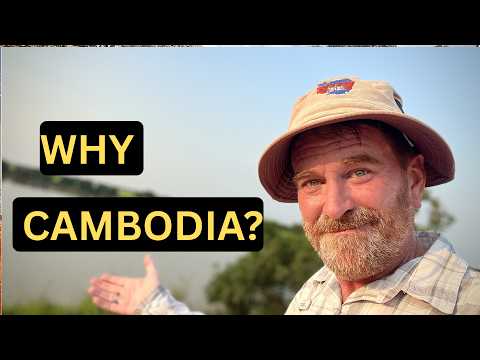
10 Reasons I Moved To Cambodia 4K
AI Summary
This video outlines ten reasons why the speaker moved to Cambodia.
The first reason is the low cost of living. The speaker highlights that expenses like motorbike fuel are very cheap, with a full tank lasting a week for about $2. Food, including everyday items like chicken, pork, beef, and fish, is very inexpensive at local markets. Even exotic foods are affordable. The speaker mentions a video where $10 bought a large bag of meat, vegetables, and personal care items. Brand new condominiums in cities like Phnom Penh and Siem Reap can be purchased for around $35,000, offering Western amenities, though land ownership rules require creative solutions like a Cambodian trust. Rice, being locally grown, is also very cheap, even for high-end varieties bought in 50-kilo bags. Rent for Western-style accommodations starts at about $150 a month, which can include free Wi-Fi. Cell phone service is around $6 a month for unlimited minutes and data, while dedicated Wi-Fi modems cost about $20 a month. The speaker also contrasts the regulatory environment with America, noting that Cambodia has very few regulations, leading to less enforcement by police for minor infractions. Street food is also very affordable, often costing around $1.50 for a meal. The relaxed atmosphere extends to activities like making campfires, which don't require permits as they would in Western countries.
The second reason is the weather. Cambodia experiences a tropical climate with year-round summer, consistently warm temperatures around 90°F. The water in ponds and lakes is described as bathwater warm, similar to Miami Beach. Rain is infrequent but refreshing, and everything dries quickly. The speaker appreciates not having to deal with winter snowstorms, icy roads, and unpredictable weather, which were common in the American Midwest. The predictable warm climate allows for a lifestyle of enjoying sunrises, morning walks, and evening sunsets, often accompanied by outdoor meals. The speaker also enjoys endless motorbike drives on back roads, discovering new places and meeting people, sometimes being invited for meals. Fishing is also a popular pastime, with no license required. The speaker, having lived in Siem Reap for three years, states there's always something new to explore despite some claims of limited activities.
Reason number three is relaxed regulations. The speaker emphasizes the absence of strict police enforcement for minor offenses, unlike in Western countries. In minor motorbike accidents without bodily harm, issues are often resolved roadside with a small cash payment, typically $50 or less. The speaker finds the lack of excessive regulation refreshing, contrasting it with the "regulated to death" environment in America. Activities like making campfires anywhere are permissible. The speaker criticizes the "over the top" safety regulations and police interactions in the West, preferring the freedom to live without constant government oversight. The main regulatory interaction might be a small cash fine (around $15) for not wearing a helmet, which can often be negotiated or avoided by waiting out the police. Travel within Cambodia is also convenient and affordable, with modern, air-conditioned "hotel buses" offering comfortable overnight journeys between cities for about $25. The speaker recounts an experience of a band playing on a topless tour bus, an activity that would be illegal due to regulations in America. Taxes for digital nomads or teachers are very low, with a few dollars a month for local government being the primary obligation, unless one owns a large business. The biggest annual expenses for expats are the visa and work permit, with retirees receiving discounts.
The fourth reason is Cambodia's geographical location. Situated in the middle of Southeast Asia, Cambodia offers easy and inexpensive access to neighboring countries like Indonesia, Malaysia, Thailand, and Laos, often within a two-hour flight or by bus. This allows for frequent international travel. The location also provides natural insulation from major natural disasters like typhoons and large ocean storms. It is far enough from any cold climates, ensuring perpetual summer. This proximity to other countries allows for diverse travel experiences while maintaining Cambodia as a comfortable home base.
Reason number five is the food. The speaker initially struggled with Khmer food but has since embraced it, losing 15 pounds and feeling healthier. Cambodian food is described as natural, akin to 1800s America, with farm-raised ingredients and fresh crops. The speaker has a home garden, but local markets offer fresh produce without hormones or artificial additives. The food is characterized by rich flavors, often using garlic, chili peppers, and various leaves like lemongrass. While some traditional food storage methods (e.g., unrefrigerated eggs) initially seemed unusual, the speaker has adapted and reports never getting sick despite eating a lot of street food. A favorite street food example is barbecued chicken with vegetables, lime, salt, and pepper, available for about $1.50 at places like Sakura Market in Siem Reap.
Reason number six is love, specifically referring to Khmer women. The speaker describes them as beautiful, possessing Asian features with dark brown skin. Their personalities are characterized as traditional, respectful, and less aggressive or independent than American women, which the speaker found appealing after being single for three years.
Reason number seven is safety. The speaker addresses historical perceptions of Cambodia related to the Khmer Rouge, stating that modern Cambodia (2026) is a bustling, safe economy. Having traveled extensively across the country by motorbike, the speaker has always felt safe. Major crimes like murder are rare, with petty crimes like pickpocketing or purse snatching being the main concerns in cities like Phnom Penh. The speaker feels safer in Cambodia than in many large American cities. Common sense still applies, but one can generally walk safely in both urban alleys and rural dirt roads.
Reason number eight is the people. The speaker consistently highlights the friendliness of Cambodians, noting that they are welcoming to Westerners and often speak English. Encounters with locals, such as being offered homemade whiskey and mangoes while walking, illustrate their hospitality. The culture is described as one where there are no strangers, and people are eager to interact. The speaker recounts an instance where a broken motorbike led to a local family offering food and a ride back to Siem Reap, demonstrating their helpfulness.
Reason number nine is the escape from politics and noise. The speaker appreciates the absence of political division and constant news cycles, unlike in America. Cambodia offers a harmonious environment where people live peacefully without concern for political affiliations. This lack of division and chaos was a primary reason for leaving America, which the speaker describes as having become a divided, unhappy, and troubled country. While proud to be an American, the speaker is embarrassed by the current state of the US and feels that "America left me."
Reason number ten is adventure. The speaker enjoys the endless opportunities for adventure in Cambodia, from riding motorbikes on back roads to discovering new places. The lack of an interstate system means travel is primarily on two-lane highways, reminiscent of old Route 66, which enhances the sense of adventure. Activities like fishing with locals, exploring historical sites, and visiting temples or beaches offer constant engagement. The speaker now views visits to America as holidays, appreciating its natural beauty like national parks, but prefers the daily adventure and freedom of Cambodia. The endless possibilities include mountain biking, fishing, and making campfires to cook freshly caught fish, often accompanied by local music and company, all without restrictive regulations.
In conclusion, the speaker reiterates that Cambodia is not for everyone, but for those willing to adapt to the culture, it offers a comfortable, free life with beautiful sunsets, delicious food, endless smiles, and continuous adventure. The speaker advises potential expats to visit first to experience the country before making a decision.