CISCO & LYING SENATOR GET DESTROYED IN COLORADO - REPAIR WON!
Audio Summary
AI Summary
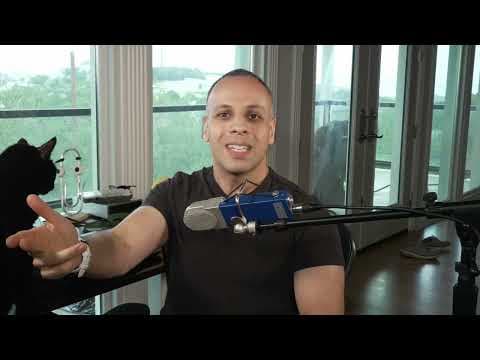
The speaker, Louis Rossman, expresses gratitude to those who helped defeat IBM and Cisco in Colorado regarding right-to-repair legislation. He recounts his long-standing involvement in Colorado's right-to-repair efforts, dating back to 2021 when a bill for wheelchair repair was introduced. He criticizes the legislature for ignoring individuals with mobility issues who showed up to testify, calling it "lame."
After a general electronics right-to-repair bill passed, Cisco attempted to undermine it by seeking an exemption for "critical infrastructure," arguing it should be treated differently from consumer electronics like cell phones due to safety concerns. Rossman explains the flaws in this argument. First, the bill allows manufacturers to classify what constitutes critical infrastructure, potentially enabling them to refuse repairs by labeling their products as such. Second, for cybersecurity, it's crucial for critical infrastructure to be repairable by third parties if the manufacturer ceases support, ensuring continued security.
Rossman highlights that the very laws cited by a senator, acting on behalf of Cisco and IBM, actually support third-party repair of critical infrastructure. He also points out that when Governor Polis signed House Bill 24-1121, he issued a directive to fix a "critical mistake" in the original law by January 1st, 2026, claiming Colorado was unique in including critical infrastructure in its right-to-repair law. Rossman challenges this claim, offering $2,000 for a citation, asserting it was fabricated. He notes that the original press release made no mention of critical infrastructure or a directive to fix the law.
Despite this, the exemption bill initially passed the Senate committee 6-0 and then the full Senate. However, when it moved to the House, it was defeated, thanks to public testimony. Rossman specifically thanks the Secure Resilient Future Foundation for their efforts in demonstrating that more repair options enhance, rather than compromise, security for critical infrastructure. He identifies Cisco as the primary force behind the exemption, noting their Meraki access points are designed to "kill themselves" if users attempt to install third-party, more secure firmware after support ends.
Rossman criticizes the opposition's tactic of playing the victim, claiming death threats, instead of addressing the substantive arguments or the hundreds of thousands of dollars spent by companies like Cisco, which actively work against product security. He finds it ironic that such claims of extremism are made in the context of repair rights, but not for other contentious issues.
The House's strong vote against the exemption is celebrated as a significant victory, preventing further watering down of the right-to-repair bill. While acknowledging that it won't immediately grant access to schematics or tools, Rossman emphasizes that it sends a powerful message that corporations cannot simply buy legislation or manipulate public discourse with false claims. He commends the public's mature, polite, and fact-based engagement, which made it impossible for the opposition to succeed with their tactics. This collective effort, he concludes, demonstrated that Cisco and IBM cannot simply dictate laws or use lies to push their agenda.