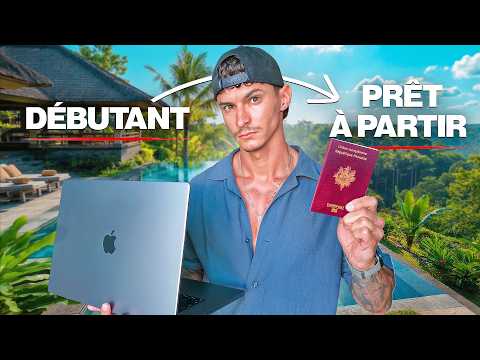
DEVENIR DIGITAL NOMAD en 2026 : le plan complet
AI Summary
In this comprehensive guide, Dim, a digital nomad with over five years of experience, outlines a realistic roadmap for anyone looking to transition to a location-independent lifestyle by 2026. Currently based in Playa Del Carmen, Mexico, Dim emphasizes that his success was not a matter of luck or YouTube fame, but rather a result of a disciplined method applied to his career as a freelance social media manager. His primary goal is to strip away the "dream-selling" often associated with this lifestyle and provide a practical, ten-step plan that focuses on longevity and financial security.
Before diving into the steps, Dim identifies three essential prerequisites for a successful nomadic life: stable income, a structured work system, and simplified logistics. He argues that the objective is not just to travel for a few months, but to build a lifestyle that is sustainable for years. To achieve this, he identifies three primary career paths. The first and most accessible is freelancing, where you sell specific skills to entrepreneurs or agencies. The second is securing a 100% remote employee position. While this offers stability, it often comes with fixed hours that can make living in drastically different time zones, like Asia or Latin America, difficult for those working for European companies. The third path is building your own business or agency, such as content creation or managing a team, which requires more personal investment but offers higher potential rewards.
The ten-step plan is divided into three distinct phases. The first phase focuses on making the right foundational decisions. Step one is choosing the path that best fits your risk tolerance and skills. Step two involves identifying a monetizable, 100% digital skill. Dim lists several high-demand options, including social media management, copywriting, digital marketing, media buying for platforms like Meta and Google, software development, data analysis, customer support, and high-ticket sales (setting and closing). He notes that traditional trades, such as plumbing, are incompatible with this lifestyle because they require a physical presence. Step three is setting a clear financial goal. Dim highlights the concept of geographic arbitrage, explaining that a monthly income of 1,500 euros offers a much higher quality of life in places like Danang, Vietnam, or Indonesia than it does in France.
The second phase of the plan covers building a professional system. Step four is constructing a simple, result-oriented offer. A good offer must identify a problem, promise a result, and have a clear format. Dim stresses that clients do not buy your time or skills; they buy the results you can provide. Step five is creating proof of your expertise. For those starting without a track record, he suggests working for free or for non-profit associations to build a portfolio or CV. Step six is selecting prospecting channels. Dim warns against trying to be everywhere at once; instead, he advises focusing on one or two methods, such as social media outreach, email marketing, or specialized freelance platforms. Step seven is implementing a consistent prospecting system that follows a cycle of outreach, sales calls, service delivery, and collecting testimonials to build future credibility.
The final phase is dedicated to making the lifestyle sustainable across the globe. Step eight is securing a financial safety net. Dim recommends having a buffer of three to six months' worth of salary saved before departing. This "survival fund" ensures that if a client is lost or an emergency occurs, the nomad can remain calm and make rational decisions rather than panicking. Step nine is the simplification of logistics. This includes opening bank accounts with low international fees, securing comprehensive health insurance, obtaining an international driving permit, and investing in the right hardware, such as external hard drives and laptop stands, to ensure a professional workspace anywhere.
The tenth and final step focuses on long-term maintenance. Dim asserts that the key to staying a digital nomad is discipline. He advocates for a strict work routine with set hours, a healthy lifestyle involving regular exercise and good sleep, and the active pursuit of community. He warns that isolation is the biggest threat to this lifestyle and encourages nomads to join French-speaking or international communities to stay grounded. To conclude, Dim introduces a "Nomade Quiz" designed to help viewers determine which of the three paths—freelancing, remote employment, or business ownership—best suits their profile and risk tolerance. He reiterates that the freedom of the nomadic life is entirely dependent on one's level of organization and commitment to a proven method.