L'Échec Immobilier en Thaïlande ? Le Responsable
Audio Summary
AI Summary
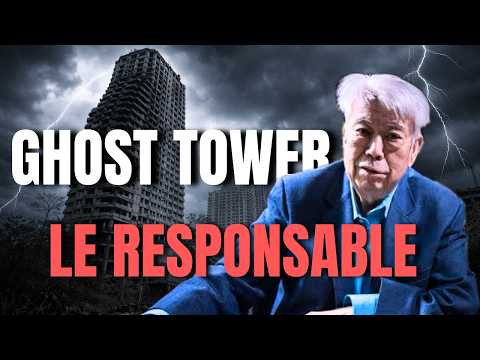
This video explores the story behind the abandoned Sathorn Unique Tower in Bangkok, a 49-story skyscraper that has stood unfinished for over 30 years, earning it the nickname "Ghost Tower."
Bangkok, a city known for its constant development and skyscrapers, also has this imposing structure that was once intended to be a symbol of luxury. The tower, standing 185 meters tall with 49 floors, offers a stunning view of the Chao Phraya River. However, upon entering, one finds a complete silence, as no apartments were ever finished, and the building has been abandoned since the 1990s.
To understand why this prestigious project was never completed, we need to go back to the 1990s when Thailand was experiencing a significant economic boom. Bangkok was attracting global investors, and the Sathorn Unique Tower was one of the most ambitious projects, planned to house around 600 luxury apartments with incredible city and river views, catering to an extremely wealthy clientele. The project was valued at over 47 million euros.
The driving force behind this project was Rangsan Thongsomboon, a highly respected, ambitious, and influential architect in Thailand, who was also the promoter of the entire development. However, his downfall began in 1993 when he was arrested and accused of orchestrating the assassination of the President of the Supreme Court of Thailand, Pranam Changsu. This serious accusation, reportedly stemming from a conflict of interest related to his powerful real estate ventures, led to the unraveling of the project.
Imagine being an investor who had poured millions into this development, only for the promoter to be accused of murder. Naturally, investors began to withdraw their funds. This caused immediate instability, with partners leaving and financing becoming precarious. Although the project continued, it was significantly slowed down. The legal case against Rangsan dragged on for years, with a verdict only reached in 2008 when he was released from jail, and finally acquitted in 2010 after a retrial. However, by then, the damage was done.
While Rangsan was imprisoned and investors were hesitant, Thailand faced another blow in 1997 with the Asian financial crisis. The Thai Baht, pegged to the US dollar, was heavily impacted. Speculation against the Baht intensified, and in July 1997, the currency collapsed, leading to widespread bankruptcies of companies and banks, and consequently, the halt of numerous projects like the Sathorn Unique Tower. This marked the complete collapse of the project, with no hope of revival due to a lack of investors and funds. The construction, which was already at a standstill due to the promoter's arrest, was completely abandoned. The tower was approximately 80% complete, and it remained in this state, never to be finished.
Years have passed, and the building stands empty and silent, its condition deteriorating with broken windows, dark stairwells, and wind whistling through the floors. This history has given rise to rumors of paranormal activity, with claims of lights and strange sensations within the tower at night. While nothing has been definitively proven, these stories have cemented its reputation as the "Ghost Tower."
The tower has also become a destination for urban explorers, people who venture into abandoned places to document and experience them. However, in 2014, a tragic event occurred when a Swedish man was found dead on the 43rd floor. The circumstances surrounding his death were unclear, and his body was discovered about a week after he died, after another visitor followed a strong, unpleasant odor. This incident further reinforced the tower's ominous reputation.
The Ghost Tower is a dangerous place, with damaged elevators, precarious stairs, and missing windows. Despite being completely closed off to the public, with signs warning of arrest and legal penalties, people continue to find ways in, with some individuals reportedly charging money for access.
The question of why this nearly 80% completed project cannot be finished or demolished is a common one. The answer, as explained, is surprisingly simple. After 30 years of abandonment, it would be almost like building a new structure, and the legal complexities involving debts, owners, and rights have left the project in limbo. Furthermore, investors are reluctant to take on a project with such a negative reputation and a dark history. Superstition also plays a role, as many investors prefer to invest elsewhere. A significant hurdle is also that at least 51% of the units would need to be owned by a single entity to move forward.
In conclusion, the Ghost Tower is not merely an abandoned building; it's a monument to a scandal, a massive economic crisis, and a complex web of legal and financial issues. It stands today as a silent reminder of the 1997 economic crisis in Bangkok.